

livres. lus. approuvés.
Jacob Jordaens (1593 - 1678) - Drawings / Prints
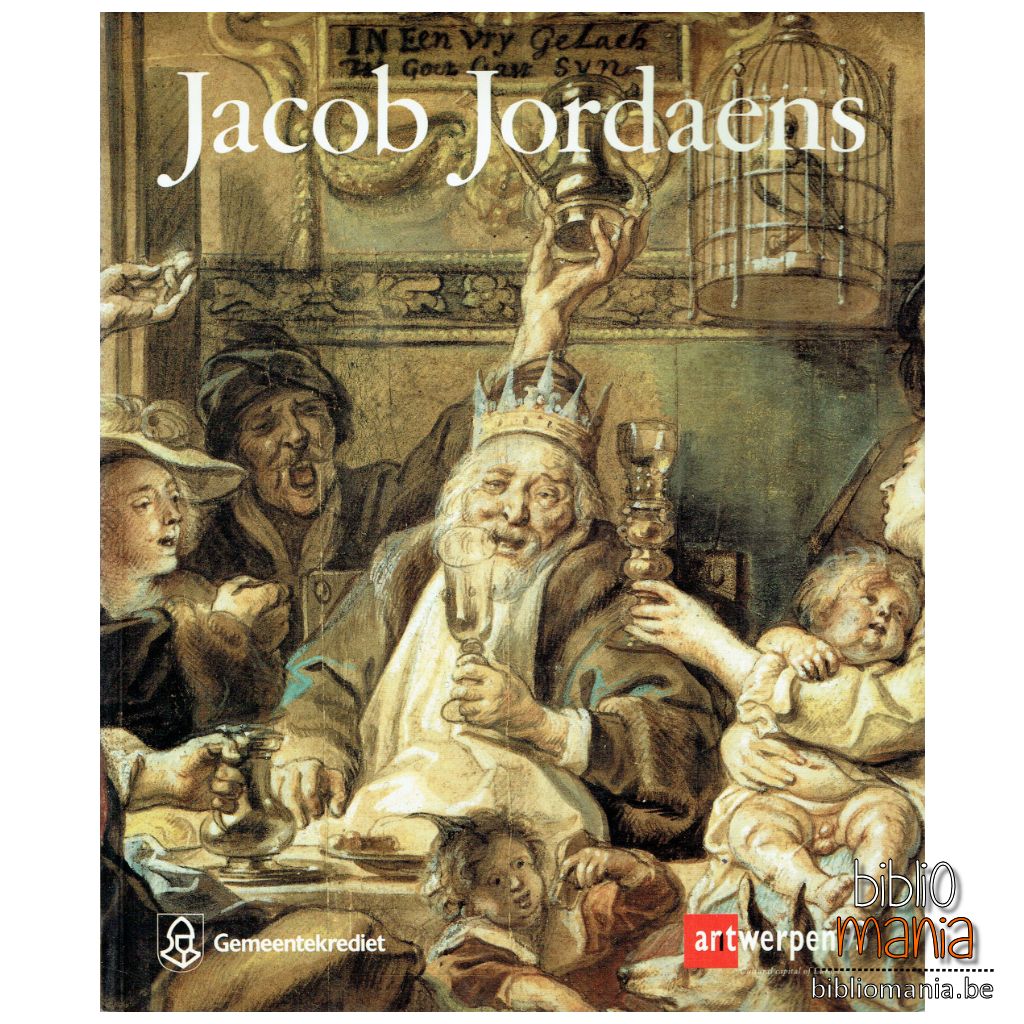
Broché / 140 pages / édition de 1993
langue(s) : anglais
éditeur : Gemeentekrediet van België
ISBN : 9050661181
EAN : 9789050661188
dimensions : 296 (h) x 245 (l) x 13 (ép) mm
poids : 975 grammes
DISPONIBLE
Tous les prix incluent la TVA
Jordaens was not only a great painter, but also an extraordinarily prolific draughtsman. No less than four hundred and fifty drawings by his hand have survived. The sheer volume of his graphic oeuvre invites comparison with Rubens and Van Dyck, who also left us abundant evidence of their skill as draughtsmen. Like them he is a typical product of a time when drawing was of paramount importance to Southern Netherlandish painters. The reason may lie to a certain extent in the nature of their art, and especially their compositions, which were crowded with figures and frequently of large proportions. The characteristics of the Baroque required more preparatory work, moreover. The style placed a higher value on the integration of forms than on their isolation, preferred dynamic movement to static images, and tended to spurn the simple in favour of the complex.
Another reason Flemish painters made so many drawings has to do with the organisation of their workshops. Since Jordaens’s working methods closely resembled Rubens’s, we may assume their studios had much in common as well, including the atmosphere of bustling activity. Apart from Rubens probably no Flemish painter, not even Frans Floris, even devised a system for producing art on a scale comparable to Jordaens. The impact one would expect this to have had on the drawn oeuvre has in fact been borne out by art historical research. The production of drawings rose as the number of assistants and pupils increased. By the same token, the workshop’s gradual expansion resulted in changes in me nature of the drawings: quick composition sketches came to be replaced by elaborate modelli, intended not only for presentation to natrons, but also as models for the assistants (cnapen) to imitate in the studio. Figure studies for the benefit of the same assistants proliferated as well —Jordaens is not known to have produced such studies while he was still working alone.
Jordaens was a typical painter-draughtsman in the sense that his drawings are more pictorial than linear. As a draughtsman he often employed eechniques such as washes, watercolours and gouache that are more commonly associated with painting. It was in these media, sometimes adopted individually but usually in combination, that he sketched the compositions of his paintings. He did so on paper, moreover, whereas Rubens preferred panel.
Jordaens enrolled in Antwerp’s Guild of St Luke as a waterschilden We can be certain he painted his first works in watercolours on canvas, a popular substitute for tapestries, which were much more expensive. Because they were so fragile, however, they are now extremely rare; indeed not one of Jordaens’s has been identified. On the other hand Many of the Flemish master’s composition sketches for real tapestries are [...]
Another reason Flemish painters made so many drawings has to do with the organisation of their workshops. Since Jordaens’s working methods closely resembled Rubens’s, we may assume their studios had much in common as well, including the atmosphere of bustling activity. Apart from Rubens probably no Flemish painter, not even Frans Floris, even devised a system for producing art on a scale comparable to Jordaens. The impact one would expect this to have had on the drawn oeuvre has in fact been borne out by art historical research. The production of drawings rose as the number of assistants and pupils increased. By the same token, the workshop’s gradual expansion resulted in changes in me nature of the drawings: quick composition sketches came to be replaced by elaborate modelli, intended not only for presentation to natrons, but also as models for the assistants (cnapen) to imitate in the studio. Figure studies for the benefit of the same assistants proliferated as well —Jordaens is not known to have produced such studies while he was still working alone.
Jordaens was a typical painter-draughtsman in the sense that his drawings are more pictorial than linear. As a draughtsman he often employed eechniques such as washes, watercolours and gouache that are more commonly associated with painting. It was in these media, sometimes adopted individually but usually in combination, that he sketched the compositions of his paintings. He did so on paper, moreover, whereas Rubens preferred panel.
Jordaens enrolled in Antwerp’s Guild of St Luke as a waterschilden We can be certain he painted his first works in watercolours on canvas, a popular substitute for tapestries, which were much more expensive. Because they were so fragile, however, they are now extremely rare; indeed not one of Jordaens’s has been identified. On the other hand Many of the Flemish master’s composition sketches for real tapestries are [...]

rechercher des articles similaires par catégorie
rechercher des articles similaires par thème: